Showing posts with label nature. Show all posts

Sunday, December 3, 2017

Designing Natural Outdoors Play Spaces


It is easy to imagine an idyllic kids back yard. I see a huge jungle gym, a trampoline and dreamy playhouse. All of these are awesome things to facilitate environments children will be excited to play outside in. The only problems with these kinds of play structures are they are just what they are. You can play imaginative games on them, but in the end they only provide one kind of play. Designing a space that is more imagination focused requires some strategizing. Investigating the way children play outside happily for hours takes some forethought and consideration for the way humans like to live outside.

You do not necessarily want to recreate an indoor environment outside, though using some of what you learn inside will help in the outdoors. It is about reconnecting with all the elements that make an outdoor play space great, such as having a spot to dig, having different terrain to traverse, and having a combination of wet and dry ingredients available. It is also about thinking like an animal. Finding warm, sheltered places, good spots to hide and good spots to stretch out. You can also plant herbs so that young people run across their fragrances as they play. You can set up whole gardens that attract wildlife and allow opportunities for families to study nature up close and examine butterflies for hours.

Designing a natural play space can look a bit like designing a cozy forest. You want gardens, sweet, village-like home setups, pathways that lead to adventure and take you in a circular fashion around the yard. There must be places to dig and get messy and places to clean up afterward. Below is a list of all the things I have figured out about making a natural play space in my backyard.  

Elements of a Natural Play Space

Loose, open ended materials lying around
A pile of leaves in the corner, trimmed branches from the hedges, a pile of river rocks, these are just three examples of materials that become open ended play opportunities. Bundles of sticks become forest shelter construction, tinder for a fire pit, even a mat for babies to sleep on, or fishing poles for sale. The possibilities for an old pile of branches are endless.
River rock is smooth and easy to fit in you hand. Buckets of river rock become trade objects in imaginary towns and river rock in the sand box makes for great hide and seek games when hidden under piles of sand. Rocks can also become decorative elements on mud/sand chocolate cakes.  
Leaf piles are great hiding spots, a chance to explore bug life and inhale the sweet scent of decaying leaves. A leaf throwing party and a chance to rake it all up and play again is the intentional and resilient work we want to see young people engaged in. Using their bodies, hearts and minds to play.


The Hammock: A hammock immediately brings cozy warmth to a space. It’s a chance to climb in, learn balance and how to steady one’s self. It also gives you the chance to get snuggly with others and have a quiet spot to observe trees and wind. The Hammock is a perfect respite for a long day and once you have one up you will find yourself longing for it and it. It may even become a part of your daily ritual of relaxing.

A deep sand pit: When we were researching what kind of sand pit to make or buy we realized in order to achieve the kind of sand play we wanted to see happen in the yard we definitely had to make our own. Ready made sand boxes do not get very deep. They don’t seem to hold children’s interest as long as big, deep, sand pits. We dug a large hole into the earth and then filled it with concrete. After that dried we lined the hole with bricks to give it some structure. We then filled it up with play sand, about 25 bags full. The sand pit is central to the backyard play, it seems every age of child that has come into our yard loves the sand pit. I have seen complicated sand castles constructed. Whole cities and towns have been built with moats and dinosaur rulers. I have seen vet clinics established and full on scavenger hunts for things buried in the sand. The extra fun play in the sand box happens when I keep the hose near by. The combo of sand and water is irresistible to most children. My Oklahoma backyard becomes a sandy coastal beach as children fill it over and over with a few inches of water. Getting your toes in wet sand is creating another peaceful experience outdoors. Many deep holes have been dug in that sand box, with intentions to reach China, though no one has made it to the bottom so far.   

Pathways
Pathways establish a garden and natural play space. They lead you to the different play areas and lead you away from the more delicate plants that should not be trampled. The key is not to get to controlling with the paths, you want your pathways to be open and able to change. The best paths I have found follow the way people naturally move through a yard. Observing the way adults and children like to be in your yard will help you figure out the best way to route them. Paths can be as simple as grass mowed in curvy directions around garden beds in your yard or as complex as mulch paths lined with stones. Paths are especially helpful in a forested yard where its hard to tell which living things you should not tread on.

Varying Terrain to Transverse, a little hill or slope
Different aspects of terrain in your yard can create all kinds of exploring options.  I have observed that a little hill or rise in the ground can create lots of adventure games, two hills can create a moat to cross when a board or branch is laid across them. Play can involve rolling down the side of a hill, hiding around the corner or just lying on the side of the hill and observing the sky. I have seen many games of king or queen of the mountain and many processions go over the small hill in our yard. If you do not naturally have a hill in your yard you can easily create one by digging a hole and piling the dirt high. You can seed grass on the hill or just let it lay there. We used the extra dirt from digging the sand box for a hill in our yard.


Vegetation, fragrant plants, habitat gardens, butterfly gardens
Imagine a pack of children running around a yard, hiding behind bushes, and rubbing against lavender plants just to smell that delicious scent on their clothing. They stop for a break and grab a handful of ripe black berries growing along the fence and stop to examine a spider web in-between the grape leaves. Gardens are a huge part of creating a harmonious outdoor space. Starting with native shrubs and flowers can start you on the right path. These will provide habitat for your explorers as well as local wildlife. You will also create beauty and sensuous experience for all the people that enter your yard. Planting native vegetation can require little water and can easily be kept pesticide free because the plants already are acclimated to the place you live.  Once you get hooked on gardening the possibilities are endless, creating butterfly and hummingbird gardens, zen rock gardens, and of course vegetable patches and fruit orchards. Let your imagination run free and let your children help. They often have great ideas and will learn so much from putting life into the earth.


Fairy circles
In our home we have two fairy circles. Our fairy circles are a circular shaped garden bed with a stone in the middle of it for sitting. We also have a circle of stumps we use for fairy tea parties. In the circular garden bed we plant spring and summer flowers, we cut out this part of our yard and lined it with stones, one large flat stone sits in the middle. In the summer sunflowers can surround you. In the spring, poppies of every shade sprout before you.

We also have a set of old stumps we gathered from a friend’s yard. These stumps quickly transform into a fairy tea party. They are a great space for children to have imaginary and real meals and delight in a natural outdoor table area.

Elements of home in the outdoor spaces
My Virgo daughter Sweetpea loves the cozy feeling of home. Taking the comfortable elements of home and putting them outside has made all the difference for her nature connection. When I incorporated the different design elements I describe below it made our backyard a more inviting place for my homebody daughter to play.

Mud Kitchen
This is a fun way of saying an outdoor play kitchen. Old pots and pans, a few make shift burners made from the tops of canning jars screwed into a wooden bench and you have yourselves a perfect beginning to a play kitchen. The most important thing is to not put fancy things in the mud kitchen. Make sure everything is sturdy made from wood, metal or hard plastic and is ok to get dirty. This is not the time to take out the porcelain tea set. Many stews and chocolate cakes topped with dandelion flowers have come out of our mud kitchen.


Pergola and picnic table for outdoor eating
A pergola is a wooden or metal frame that is used to grow vining plants and make a living roof over a part of your garden. Ours grows thick with Wisteria and adds the perfect structure and shade to make outdoor living a year round activity. We have a large enough pergola to house several tables but the one that gets used the most is the wooden picnic bench. Having a big table for everyone to sit or craft brings us outside more. In good weather we eat outside at least once a week. I teach classes at the tables and have used it for cooking projects, painting and many more activities. Having a designated cozy space to work really brings the indoor feeling outside. 

Fort or Tree House
A fort or tree house is a great way to make a home in the outdoors. It is not necessary to making a cozy feeling outside but it is so fun to make, you might find yourself doing it just for the happiness it brings you. My dream when I was young was to have a full playhouse in my back yard. We had a platform my parents constructed. The platform became my home away from home. My friends and I would make house up in the tree. We would construct roofs from old pokeberry branches in summer and fir branches in the winter. The key with constructing a fort is to make it as open ended as possible to not limit the scope of the play. A full on playhouse, while spectacular has trouble becoming an army bunker, or campsite. A raised platform in a tree can really become anything.
The tree house we have now is a raised platform big enough to hold fifteen people at a time. One side sits up against a huge pin oak tree the other three sides are held up with huge posts that have been placed in concrete in the ground. There are two entrances via ladders. I see many rope and pulley systems go up to haul buckets of leaves and materials. Pop up shops selling acorns, herbs and berries and whole bedrooms have been constructed on the platform. Sometimes sweet pea just drags a blanket and pile of books up there for some reading time with her back against the trunk of the big pin oak tree.

Ability to control the temperature

Chiminea’s are little outdoor ovens used to warm up your patio on a cool day or make enough smoke to scare away mosquitoes in the summer. They are easy to start fires in, mostly safe and beautiful to look at. You can buy them at most garden or outdoors stores. We purchased ours from a Mexican pottery import place. 

Big Trees
Not everyone is lucky enough to have big trees around them or in their yard, but if you do take advantage of it. Big trees do a lot to cool the temperature in the summer; they provide the necessary shade to be happy for a long time outside. During my July outdoor summer camp the children were able to survive the heat by staying in the shade of the giant oak trees in my yard. I give thanks for them daily. If you do not have any large trees in your yard consider getting a table set with an umbrella and or making a pergola.

These are just some of the ways I have figured out how to make a dynamic space to be happy outdoors year round. If you are interested in more tips on designing beautiful outdoor nature play spaces stay tuned, check out the Under The Canopy blog for more info in the near future. I would also love to hear what you have figured out on how to make your yard into a natural play space.


Monday, February 20, 2017

Rhythm and Intention


As a parent it is second nature for me to take care of people. Figuring out how to balance my needs and my children’s/families needs is my life’s work. Finding time for each important thing and being fully present is my ultimate goal. The difficult thing about finding balance while parenting is that parenting is innately imbalanced. Just as you think your getting over the curve of yet another phase, a new one side swipes you and you have to figure out how to live in temporary insanity. Parenting keeps me on my toes, ready for the next wave of change, the next desire to absorb, learn and grow from.

In my current job as a preschool teacher I see the ebb and flow of life all day long. The rhythm of our day is essential. We are always thinking well about everyone's bodies, needs, sensory experiences including our own as caregivers. The whole program is set up so that we are properly nourished, infused with warmth and nurturing and taken through the progression of a day slowly. We thoughtfully transition from one thing to the next. In a capitalist society that is always saying go, go, go, it feels like entering into another world to focus on the essential tasks of simple daily living. It is kind of blowing my mind. 


I started working at Roots of Wonder, a Waldorf inspired, mostly outdoors pre-school last fall. At first it was just weekly observation, being in the classroom and getting to know the children. In the new year I am now a daily caregiver taking on a co-worker’s maternity leave. At Roots the theory is we can create a rhythm that flows seamlessly through our time, one that includes what they call “in breath” and “out breath.” Everyone is held by the rhythm and feels nurtured so there is little interference. We get to play as adults, children are given time indoors and outdoors, they are nurtured with wholesome homemade food they help make with the knowledge adults are close by but not interfering with their work or confrontations. Mostly we let the children settle their disagreements and stay close by in case they ask for help. One of my roles is to hold space for the little ones by doing my handwork. I sit in a rocker and mend holes in socks that have sat for months collecting dust waiting to be mended at home. Now my work provides time for me to take care of the clothing that needs mending. It also provides a chance for children to see me fully engaged in in a task, a task worthy of them mimicking. I get to use my creative mind and learn to knit. I get to make beautiful hand made things letting the aura of inspiration shine on the little souls around me.


We teach in a forest sanctuary, a man made forest in the back yard of some dreamers who decided to create a bird and butterfly habitat fifty years ago in midtown Tulsa. The trees are tall, birdbaths abound, and one of my jobs is tending to the birds with the young people. We check the baths each day, taking out leaves and breaking up chunks of ice. We refill the bird feeders with seed. We offer thanks to our feathered friends. We learn about what birds and squirrels use our feeders and teach in a sideways style. Learning by doing, learning through play outside.


Incorporating life experience into my day while working with young people feels natural, like being at home. Sweeping of the floor is just as important a life skill as tying a shoelace. Knowing the cardinals behavior is just as important as learning the alphabet. Teaching in this environment gives me a chance to have some balance, sharing a long conversation over rice cakes and almond butter with my co-workers and the young people, singing them through each transition and using theatrics to learn life skills at story time. 

We create a seasonal program where we learn the importance of dressing warmly in winter and the magic of the tale of Jack Frost’s bite. We learn about how robins stay warm in winter and how to chop wood for a fire to keep warm. I love pretending to be father winter through the play of a story circle I get to imagine myself as a strong, burly, man of winter with my axe. I channel dwarf energy as I haul huge crumbly logs to create a retention border for our mammoth sand box. I tell the children I chipped way my home from rocks called Basalt. Embodying these characters brings me as much delight as it does them.   

I also get to bring Little Pickle with me! This is the icing on the cake. So many of my jobs lead me to these fun experiences that I wish my family could benefit from. At Roots of Wonder Little Pickle is by my side, getting a chance to be in nature for a good part of her day. She is watching her mom relaxed, supporting other children and her too. Its not always perfectly easy having her there but it also feels right that we get to be in this experience together.
I am still figuring out balance in my life. It is nice working at a place where the whole circle of life is well thought of, that we get to be parents and caregivers and weave magic in our time together.


Friday, October 14, 2016

Adult Unschooling

Definition of Unschooling: An educational method and philosophy that advocates learner-chosen activities as a primary means for learning.

By Diala Brisly

One cold, January morning earlier this year, I told my partner, “let’s take this year to get our finances in order, no big trips, just focus on work that will pay off our debt and get us in a better place to do more of the things we want.” It sounded good to both of us. I was a little sad to put off seeing family and friends we love far away, but felt I was making the proper kind of adult decision a family with small children should make. Then life happened. My job became something I didn't want to do anymore. I got so inspired by the book I was listening to, "Last Child in the Woods," that I decided I couldn't wait any longer to follow my life path of teaching the skills of sustainability and living in connection with the earth.

I struck out, I quit my job and went rogue. I started my own business: Under The Canopy.  I am in month four of being a small business owner and it is going well. Currently, Under The Canopy consists of two after school programs and a series of workshops. I hold all my classes outside teaching about nature and how to connect to a deeper sense of place. It is a lot of work, but my passions in the driver’s seat and my family is supporting me. 

I can see how a life of unschooling has led me to this point. As a teenager I dropped out of mainstream education. I was thirteen and my mom and I decided I could take a "break" for 8th grade. I was unhappy at school. I always struggled with the way school was taught and I also was having trouble with the social dynamics of the middle school we chose. I went from a sweet public elementary down the street from my house, to a stiff upper-lipped prep school in another town where I knew no one. In elementary I was co-editor of the school newspaper; I was known as the writer and had a close group of girlfriends. In middle school I was an outcast, from the tough streets of my hometown, a much more urban environment then those posh suburbs.  I started getting low grades even in English, my favorite subject. There was less and less creative writing and more essays focused on correct grammar rather than the flowery, poetic, language my romantic heart loved to use.

We viewed taking a break as a chance for me to homeschool for a year before I entered high school. After leaving the prep school I was down trodden and spent a lot of my time watching TV.  I wanted to check out from the world. As I started to shed the layers of self-consciousness and slowly rebuild my self-esteem I saw the whole beautiful world that lay before me for the taking. I met a bunch of "unschooled" teenagers, youth that had never gone to traditional school, forging their own paths, working in the world and following their interests not based off of what they should be learning. I found a community in these “unschoolers”.  I decided on a plan, and I was not going back to school.


Fast-forward many years later to my adulthood. I worked many jobs as a young adult, lots of nanny gigs and clerk jobs in small shops. I knew I could pull off the unschooling as a teen because I had my parents backing me. As a young adult I wondered how unschooling would look now that I was grown up. I got a sense of what adulthood would look like and figured out a myriad of ways to side step all the boring BS I saw other young adults going through. I got a high paying, low hours, very precarious, job as a nanny. Being a nanny you never knew when the family would change their mind and not need you anymore. I made good money but rarely had the job security other more regular jobs come with. I worked as a nanny till I had enough money to travel for a few months. I would go off on an adventure, come back and repeat the process. I became interested in going to art school in my early 20's and did what I had always done when I had a new goal. I broke down the steps it would take to get me there. I got my GED and applied to college. I got in to my first choice school that did not use traditional grades and had an interdisciplinary liberal arts focus. I was also eligible for in-state tuition and being twenty four, not reliant on anyone else’s income, I was eligible for more money to make it all do-able financially. 

While in school I met my life partner. We decided to be committed to each other and then we got the surprise of our lives, our first child. I was uncertain how to pull off this parenting/unschooling life. One obvious choice would be to leave the financial part of our lives to my partner and be a stay at home mom (SAHM). SAHM's got all the freedom to do what they pleased with kids, play while others worked and it seemed like a good package. I started off SAHMing but two big things hit me with a thud. First, SAHM only truly works if your partner makes enough money that you are not constantly worried about making ends meet. Second, being an unschooler for most of my life I had so much creative ambition, so much zest for life. I wanted to make a bigger dent in the world then just parenting my children. I wanted to carry them along with my vision and parent them while affecting change on a grander scale. I had also been a nanny for many years, caring for young people was grand but I wanted more, I also wanted to work with adults and not always be in the care giver role.


I started looking for work with strict criteria. Being a recent college grad, in Austin, a new city, with a young child, and without the exorbitant amounts of money it costs to put a child in day care, it was slim pickings. I was thinking,  “this job better be worth leaving my kid, it better make enough money to pay for her childcare, and it better be fun and engaging”. It took me two years to find a job of this nature. Still, precarity followed. I got a job working at an after school program teaching art and social justice. It was perfect for me creatively. I got paid enough, I got to make art, write fun curriculum, work with interesting artists and activists, and be a leader. It was all the things I could want in a job. It was also part time work that changed seasonally. I was moved to different schools and had long stretches during school breaks where I made no money at all. Finding childcare for just the afternoons to make it all financially do-able was super challenging. Still the pros out weighed the cons and I stuck with it, picking up holiday shop work when I was off for too long. I found a flexible in-home day care Sweetpea loved that would have her just in the afternoons. It felt like I sort of had it made. I had a really fun job and I got to be with my family a lot. The uncertainty was hard going though, never knowing when the next job would be and where. We also started desiring other things, like a home we could set roots in, a weekly connection with family. We were ready to settle and Austin didn't feel like the place to do it.


We moved to Tulsa two and a half years ago. Upon arriving I got a job doing visitor services and programming at a public garden. The garden was dreamy work, flexible with my child care schedule, not too many hours, and the biggest plus: stability. My hours were set. This was a great thing until it became not a great thing. After 2 ½ years of being locked into a low pay non-profit job I was feeling the urge to move on. I still felt like we were scraping by and the only ways to move up in my organization was doing more stuff I didn't want to do. It was time to follow my bigger vision for teaching sustainability. Under The Canopy was born.

So here I am, a full-fledged adult in my mid-30's with two kids, a life partner, a mortgage and a degree. I am also now officially an adult unschooler.  I am living authentically, financially soundly, presently for the important work of parenting my dear children and sharing my vision for a sustainable future through the work of nature awareness at Under The Canopy. The next step is helping daddy get a chance to be an adult unschooler.  Our vision is to form a beautiful life doing the things we love with our family at the heart of it. We might be in debt for a while, we might not be able to travel for a while, but you can be sure we are following our dreams. Wish us luck!


Tuesday, June 21, 2016

The Do-able Camping Trip: Tips on Camping with Little People

I always imagined we would be a camping family. Being outdoorsy and loving adventure the way I do, I saw camping as my family’s way of bonding and having a cheap alternative for vacation. While all this is true, it took us awhile to make it happen. I often run into the stumbling block of having a partner that does not feel the same way about prioritizing adventure, so it’s all on me to make these jaunts into the wild happen. Finally, last winter I set the intention that we would go camping Memorial day weekend and by gun, we did!


This trip went smoothly and it was fun.  Our camping trip included nostalgic experiences from my childhood, and a sense of awe for the beauty of late spring. We also stayed mostly in our budget! The trip included two adults, our 5 1/2 year old and an 11 month old. This trip went so well I am now on a mission to encourage more parents to take their young children camping. Most people I know think it’s a good idea to go camping but rarely get to make it happen. It can be daunting, what will we do all day? What if the kids can't sleep? What if terrible weather hits the campsite? I will lay out for you how to make camping with young children go well. I know you all can do it too!

 1. Keep the location simple. Families with young children need lots of uncomplicated time in nature to relax and discover the world around them. You don't have to go far from a city to find this. We asked friends for recommendations, checked out websites and looked at a book about camping in Oklahoma. I chose a site that was 1 hour from our home. The place had bathhouses, water pumps, a pool, a play ground, tent camping away from the RV's, and some nice, easy to manage trails. The location was ideal, far enough so that we felt we were having an adventure but close enough so we could come home quickly if we needed to. It was also in the country but close to a town where we could easily get amenities and play if we wanted to.


 2. Warm your kids up to the idea of camping ahead of time, and test all your gear beforehand.  I have talked up camping to Sweetpea for a while but since we have never gone she didn't really know what it would be like. A few days before the trip we set up our tent in the living room. She helped me put it together. We played in the tent most of the day and imagined what it would be like to be outside under the stars. I told her stories from my childhood camping and stories from when I got my own tent in my 20s and backpacked across Europe with it. As we went to put "Minerva" away one of the zippers broke. I was so sad to see my tent broken and knew we could not fix her before we left. When I told the news to daddy he said it was time to get a new tent. A big one our whole family could be in together. This is where we went over budget, but now we are the owners of a big, cushy tent we will be able to play with for years to come. 

3. Have a good mix of activities but don't pack too much into a day. With little ones its good to have two major parts to the day, but keep it to that. They mostly want to be in the rhythm they are at home only in this new, fun context. The day we did push it by renting a canoe for the evening lead to two whining and crying kids. Luckily near the end of the ride they both fell asleep and daddy and I got to have the awe filled experience of canoeing around in the evening. That said, we vowed to axe it next time.

4. Make your trip mostly tech free and plug into nature. Daddy definitely was checking his smart phone some by the campfire at night, but mostly we tried to leave the technology at home. I didn’t realize it was bothering me that he was on his phone till I saw him do it. To get him away from the screen I would just suggest we go for a walk to the look out and watch the stars. We also played cards by candlelight one evening. This opened time to using our senses and seeing more clearly what was around us. We took in the smell of the cook fire, strange bird calls, and the dazzle of late spring wild flowers. Our lives are often a buzz with technology, camping is a great chance to take a brain break from our phones and busy lives at home.


5. Keep the bar low for what your kids can do outdoors and they might surprise you. We took Sweatpea on mini hikes though out the campsite. We did not expect her to hike for hours in the heat; we just took her on the easiest trail and turned around whenever she was ready. Since she was leading, we ended up stopping a lot but that was good. She owned the hike and gave us a chance to take more pictures of wild flowers. When she would say she wanted to turn around sometimes I would push her and say maybe a little more? What’s beyond that bend? That sometimes worked and sometimes did not, either way we were building a relationship with nature and the more she got to decide how long she wanted to be away from camp, the more excited she was to go for a hike.

6. Always pack water, granola bars and Band-Aids before setting off anywhere. The first hike we went on was just to explore the camp ground. Sweatpea fell and scraped her knee halfway down a hill. She was super upset so I said I would go back to the campsite to get her a Band-Aid. While there I grabbed a few water bottles and granola bars. The band aid made her feel better and later on when we got a little lost following a deer path, the water made all the difference in us being able to happily finish our hike. Moral of the story, even for the shortest time out, make sure you have these things.


7. Don't let the threat of rain stop you. I think one of the major things that keep people away from camping is the fear of bad weather. I am here to tell you can even have fun camping while it is raining. If you prepare and have a good waterproof tent you can cozy a rainy afternoon away in your tent. Or, grab your boots and find puddles to splash in. Examine what the forest looks like before, during and after the rain. It is not a lot of fun cooking in the rain with no campfires, but the water can bring on other fun like playing with mud and telling stories about the rain. If you pick a campsite near a town you can even order pizza to go and eat it in your tent. Or go out for the meal and come back to your cozy tent that evening for playing cards and reading books. You can sleep with the peaceful sounds of raindrops. Rain also tends to clear out less intrepid campers so campsites are quieter. You feel like a real outdoors person after braving a few days outside in the rain. Also, nothing can beat the smell of trees and plants after rain.

8. Take advantage of all the things the park has to offer. The first thing I did after signing us in was look at all the brochures in the park’s office. I went over the map with the ranger and found out about all the cool things happening that weekend. We used the pool and the canoes. I bought a glow in the dark constellation bandana, and I got a fun mini passport book for Sweatpea for free. This booklet had all the state parks in Oklahoma and activities to do in each park. Activities included checking out special sights in the park, fun yoga moves, and a scavenger hunt on the trails. We did them all and she got a stamp at the end of our stay. There are so many fun and inexpensive ways to connect to nature in a park, it only takes time to look up info and ask around.

The hardest thing about camping with a baby was feeding her. The picnic bench was too much fun for her and she kept trying to stand up and eat. Her standing made her fall a lot and get food everywhere. I was a mess after every meal trying to hold food in my hand and put it in her mouth. I highly recommend some kind of traveling high chair for the baby stage of camping.  I also found it hard that she was crawling around in the dirt and putting everything in her mouth. Though this was challenging I still think it was important for her to explore and get dirty. We just changed clothes a lot, fished for rocks and acorns in her mouth and when I could not take it anymore, played in the tent or just put her in her carrier.  


Remember that adventure for your family is as simple as all sleeping in the same room with only a layer of tent separating you from the outside. Eating outside and seeing the stars are huge benefits as well. There is no need to plan a lot of stuff to do; the adventure is found in living outdoors for a small span of time.


Wednesday, May 25, 2016

Connecting to the Natural World

My sensual relationship with the natural world all began in a small yard, in an urban neighborhood, in a dirty New England city.  I think most young people feel a call to the wild from the domesticated edges of the nature that surrounds them. City parks and the wild un-kept fringes of these places hold mystery and sensual nature experience. A tree with climbable branches, a little danger and daring, a branch of a bush that hangs down and creates a perfect reading nook, these are the things that stimulate a relationship with nature.

As a child I was an amateur naturalist. In my urban New England town I would collect bags full of horse chestnuts and crab apples. I explored the giant woodpile my parents had delivered to our driveway each spring. We would spend the summer piling the logs into neat rows on the front porch preparing for long, cold winters. Each log was a microhabitat for bug life. I would often catch salamanders in my hands and examine all the squiggly bugs hiding under a log at the bottom of the pile. My brothers and I would play king of the mountain and climb to the top of the woodpile or hide buried among the logs on the far side of it. 


In my little urban yard I spent a lot of time hiding under the eaves of lilac bushes reading Shel Silverstein poetry. I would write in my journal under a rose bush in the semi-wild strand between our property and our neighbor’s property. The huge Norwegian maple tree in the corner of our yard was a dear friend of mine. I would gather her leaves into piles in the fall and try and kick the piles down while swinging on our play set. I picked raspberries in the far corner of the yard and marveled over the mystery of a hidden quince that flowered each spring and produced little sour fruit I did not know what to do with.

One arbor day I was given a pine sapling and planted it next to the hemlock in our yard. I planted it in the shade of the big hemlock and it soon died. I was discouraged not knowing how to properly plant the tree so it would survive. Another year, in the front yard, my mother had me plant corn seeds and before long our corn stalks reached their arms to the heavens with yummy large cobs to eat all summer. I became a corn maiden.


As a grown up and mother in my Mid South little city I use the nature in my back yard as a contemplative space for myself. I do a "Sit Spot" in a corner of the yard twice a week. For 20 minutes I sit in that spot and watch as the life of my back yard animates before me. I have never felt bored doing this. There is so much to see, listen to, and understand. I now long for my sit spot session. It is my quiet time to take in all that surrounds me. Getting to know one place, one habitat, has taught me to fall in love with where I live. It helps me to be more focused when I come back to my home afterward and step back into the role of parent. It also helps me to remember how important it is to spend time outside with my kids.

Children approach nature differently from adults. In my adult lens I want to preserve nature, to examine it without the influence of my touch. A child wants to get up in nature, feel it, pick it, prod and poke it. If we don't give them a chance to do this, they lose interest. Although I know about these differences, they can be hard to stomach. I hate it when Sweetpea picks flowers from our front yard bush. I find them piled on the console table, presents for me that are forgotten soon after the picking. I realize that in her picking she is getting to know the plant, she is touching and ripping, smelling and feeling all the essence the plant has to offer. If she just looked at the plant with her eyes she would soon tire of it. Unless I sat with her and encouraged her to look deeper, she would forget the plant. The act of taking from the plant helps her to build a relationship with it. She also helps me trim this bush in the spring. When new shoots threaten to take over the front porch. We get to hack them down together. We have a delightful scented pile of brush to play with for the next few weeks. These branches could become fairy crowns, birds’ nests, or the woven mat of a roof for an earthen shelter. 
The possibilities are endless for a pile of sticks covered in leaf and blossom. 


I have learned as an adult there is a whole category of intelligence called nature intelligence. When I have called myself a plant person I did not realize I really had the brain for it. I soak up nature knowledge and it comes easily to me. I hear a plant name and know it by heart almost immediately. I never saw this part of myself as a career path, I always saw this talent as just a part of me. Being a plant person was a piece of who I was, but not a calling. As the world shifts and changes, our climate becomes more unpredictable. Food is becoming more expensive and insecure and disconnect from the place a person lives is more prevalent. I am starting to see how much plant knowledge and earth connection is needed. My interest in birds, plants and the day-to-day wildlife is something a lot of people don't have and need help finding.


I am now seeing it as my mission to teach the skills of sustainability. I am bringing nature knowledge to young people. I am teaching adults to remember what having a sensual connection with nature is by learning about the environment that is right in front of them. I believe when people know the nature that surrounds them they care more and are more likely to make choices that keep the earth in mind. People feel Connected to the beautiful and intricate web of life starting in their backyards.

Nature Knowledge all starts in our daily environment. This knowledge is potent, it is believing we have influence and are connected to all living things. If we realize this, we give power to the earth and we give voice to the policies we want to see in place. We must appreciate the importance of being present with the beauty of our own little worlds and make sure it survives for generations to come. 

Monday, August 11, 2014

Breaking The TV Habit


Dear readers, I will level with you. We watch TV. Media is a part of our world. I use TV to unwind and to connect with friends, family and my sweet hubby. In parenting I use it to get a few moments all to myself during the day without interruption. I am by no means an expert in the department of choosing weather to have my kid watch TV or not. I am striving to reach more of a happy medium with it in my life. I imagine a utopic place where my kid has a gaggle of pals always around to keep her company and I have a gaggle of friends to connect with, village style, so TV would be completely irrelevant. I would love to have this village and have figured it out some in my adult life. However that village is partly long distance and not always around. The habit of TV is still prevalent.  I watched TV as a kid, a lot of which was un-monitored. Sometimes it was happy memories, of fun puppets and story lines. Sometimes it was very violent and scary, lots of it I did not understand and had the images stay with me, disturbing me as a sensitive young one, sending me into haunted, unsafe feelings that were hard to digest.

 When Sweetpea was little I worried about TV, a lot more then her daddy did. TV was monitored in his household, with lots of rules about what he could watch and when. This made his rebellion even stronger. His attitude became, "I get to watch what I want when I want." I have read all the theories out there about kids having too much media. The harmful affects of low attention spans, expecting to be entertained all the time, also the way media affects our developing human brains. I did not want that for my kid. Then we had her and life continued on. I started noticing how I got a much needed break when my little one was transfixed on a show, how I could carve out that very important me time when she was completely engaged in something else.


I felt like we kept it in check. She never watched a lot and mostly TV that I deemed age appropriate and worth watching, not just any children's programming. Still it did not always sit well with me. I watched her get completely absorbed in something, the whole mouth open, staring that I had always looked down upon in some of the kids I watched as a nanny. Now here it was, my kid, looking like a fish glued to a screen. There are many things I have had to let go of in terms of the "ideal world" and my parenting, this one was hard to swallow but felt like an essential way for me to stay being myself and be a happy parent.

As Sweetpea has gotten older her engagement with media has changed. She never wants to sit through a whole movie, if I let her go for as long as she wants in front of the TV she gets up all done after 3, 20 minute shows. I like seeing her self monitoring, knowing when she is done. We have hit some kind of balance, Daddy had faith that if we exposed her to media she would not want to engage with it all the time, that it would just be another thing going on and she could make good self decisions on weather or not to be a part of it. For the most part this has worked.

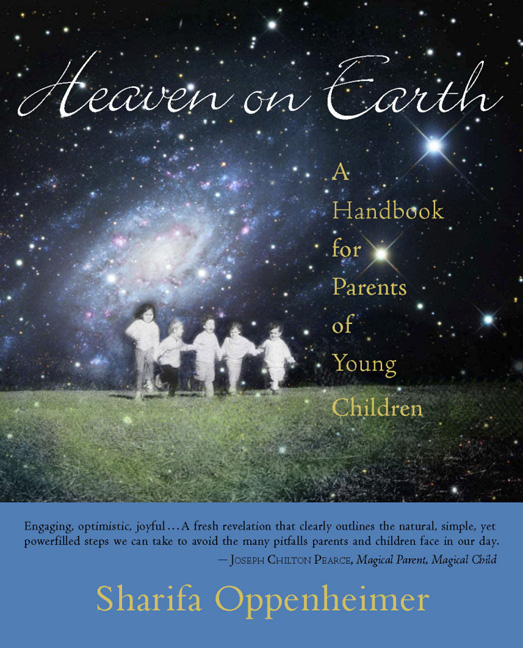
Then I re-picked up a book I read and reviewed earlier in this blog, "Heaven on Earth, A Handbook for Parent's of Young Children." In this book Sharifa Oppenheimer lays out the Waldorf philosophy of keeping kids media free. She puts it in a way that feels more accessible to me then the other more critical, judgmental books I have read on keeping kids media free. She says "You may be thinking, how will I have a minute to myself without the TV? I would never have survived with media in our life! I was far too busy to deal with the whining, discontent the media creates in children. Because I relied entirely on my children's innate capacity to create, imagine, be active, and entertain them selves, they did exactly that."


This struck a cord with me. Sweetpea does have a brilliant imagination. Once we get passed that nagging phase of desiring the TV, she will just chose something else to do. I have slowly taken media out of our transition times. When I make dinner I tell her what I am doing and ask if she wants to help. She typically does a combo of things, helping a little, singing, getting out all the utensils to play with and setting the table. At first she would whine if a show was not on, but if I ignored her complaints long enough, most of the time she choose to self entertain. 

Oppenheimer also talks about a rhythm way of parenting, where each day has a rhythm and beginning it with outdoors time. I really liked this theory. I tried testing it out these past few weeks. Often the morning is a draw for Millie to watch TV. There is a TV in the kitchen at her g-parents house that is usually on in the morning. We have come to an understanding that News goes off when she is in the room. But once the boob tube is on she wants to watch a show. I call this “wake and bake” and have always disliked how this was the start to our day. I often catch her a little bit after her daddy and her have already gone to the kitchen. He almost always obliges to putting a show on for her. I have started to strategize a different way to handle the mornings with him. When she wants his attention, try giving her different things to do other then TV.

I also have been pushing her to just go outside with us. Weather she wants to or not. I ignore the nagging, "I want to watch a show" complaint and walk outside. Once outside I start asking her lots of questions like, "what birds do you hear? What do you think that sound was? Was the bird saying hello, or go away? What kind of tree is that?" These work enough to get her into her surroundings and from there I get a good 20 minutes of playtime, sometimes with me sometimes alone while I sip my coffee and stare at the clouds.

Our system is not perfect, I still rely on some screen time to be able to get other things done during the day without interruption but I feel like we are heading towards a balance. The path I am always striving for in life.

Saturday, November 2, 2013

Wannabe Children's Librarian

Somehow this whole post I wrote was lost, so sad! I know I should save my work on more than this blog.  I often make extra copies but this time I did not and all my pretty writing evaporated into internet land.
Lets start again...

I have compiled a list of children's books I love. I recently realized I am an aficionado of the library. I have cherished library's sense I was young and have developed a keen eye for finding good books. Sweetpea has started to help, she will pull out books I did not think would be good and have greatly surpassed my expectations. this list is not complete, it is a living document. I would love it if you would share some of your favorites in the comments below. I have put them in categories to make it easier to reference. I have put some reviews but did not have the patience to review them all so please check the book out even if it does not have a review. Enjoy and pass it on! Also an acquaintance back in Olympia made a blog specifically about radical books for kids please check that out as well. 
http://revolutionthroughchildhood.blogspot.com/

Children's Books I love:


Multicultural Perspective:
"Say Hello" By Rachel Isadora (The author works in collage and makes beautiful depictions of children living in NYC. The main character in this book is a girl learning how to say hello in the many languages spoken in her neighborhood. I recommend other books by this author as well)
"Storm Boy" and "Frog Girl" By Paul Owen Lewis (Wonderful tales about Northwest US tribes. I love the pictures in these books.
"The Legend of the Blue Bonnet" By Tomi Depola (This book is complex for younger kids but worth talking about. Depola adapted this Comanche story which has some issues, ie him being white and telling a native story, but I still think the message is important.)
"Wabi Sabi" By Mark Reibstein ( Beautiful collage work, a great intro to Haiku and Japanese culture)
"Mrs. Katz and Tush" and "Rechenka's Eggs By Patricia Polacco ( I love this author, her drawings and stories are always unique and insightful. these two stories are my favorites so far, the first one is about black and Jewish cultural similarities, when do you hear about this? Not enough, also a great story of kindness and becoming friends. The second is a great tale from Russia, I love the babushka in this book, she is written so perfectly.
"Bee Bim Bop" By Linda Sue Park ( A rhyming sing song book about making this popular Korean dish. Sweetpea loves the rhythm in the book and the little girl helping to cook.)
"Mama Do you Love Me? By Barbara M. Joosse
"Auntie Yang's Great Soy Bean Picnic" By, Ginnie Lo


Depression Era/ Historical:
"The Gardener" By Sarah Stewart A wonderful story that made me tear up about a young girl having to leave her family and work and how she keeps her bright spirit alive wherever she is, very Anne of Green Gables esque.
"Peppe the Lamplighter" By Elisa Bartone Though I do not love the story of this book I think they are a little to hard on the kid, The illustrations are amazing and worth gawking over.
"Mirette on The High Wire" By Emily Arnold McCully


Environmentalism:
"Wump World" By Bill Peet (A classic from my childhood about humans affect on the green planet and animals trying to survive in the midst of it. A tale about colonization as well.)
"The Earth Book" By Todd Parr ( Todd Parr has a simple, fun way of explaining things that kids will understand about conserving the earth's resources. He also writes great books about over coming adversity.)
"The Whales" By Cynthia Rylant 
"My Garden" By Kevin Henkes
"Mama is it Summer Yet" By Nikki McClure
"The Green Mother Goose" By Jan Peck & David Davis (Retold eco wise mother goose rhymes. I use this book in teaching my classes as well as singing it to Sweetpea. This is her only mother goose book so this is how she knows these classic rhymes. :)
"Mossy" By Jane Brett (I love the illustrations in Brett's books and particularly this one. the forest comes alive in her beautiful drawings.)


Living Off the Land:
"One Morning in Maine" By Robert McClosky (Another classic from my childhood, beautifully illustrated about a family living off the land on an island in Maine.)
"Ox Cart Man" By Donald Hall
"When I was young in The Mountains" By Cynthia Rylant 

"Fredrick" By Leo Lionni (This is an all time favorite about what artists bring to a survival culture.)


Tales:
"The Hare and The Tortoise" Retold By Helen Ward  (Ward has amazing scientific quality illustrations that she adds to this classic tale. She introduces the reader to a great story and uses tons of different animals, Sweet pea and I love to talk about all the different animals we see. There is a key in back as well. She also does a full book retelling Aseop's fables I want to check out.
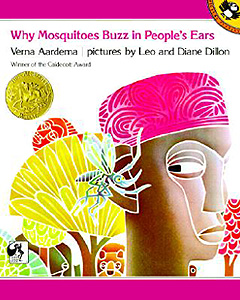
"Why Mosquitos Buzz in People's Ears, A West African Tale" By Verena Aardema


 Classics:
"Miss Rumphius" By Barbara Cooney (Another childhood classic, a great story about adventure and a woman making her dent in the world by herself.)
Steven Kellog Books "The Mysterious Tad Pole," "Best Friends," The Pinkerton Series, Ralph's Secret Weapon"
"Madeline" & the whole series of her books By Ludwig Bemelmans
"Blueberries for Sal" and "Make Way For Ducklings" By Robert McClosky
"Herold and The Purple Crayon"
"One Fish Two Fish Red Fish Blue Fish" By Dr. Seuss
"Eloise" By Kay Thompson
"The Church Cat" & the whole series of books By Graham Oakley (I grew up hearing my mom read these books, they are British and 70's and just as much fun for parents as kids. Also hard to find and out of print mostly.)
"Little Bear Books" By Else Holmelund Minarick
"Frog and Toad" Books By Arnold Lobel
"Corduroy" By Don Freeman
"The Snowy Day" By Ezra Jack Keats

Fun:
Toot and Puddle & Top of The World By Holly Hobbie
Fancy Nancy Bonjour Butterfly & The Aspiring Artist By Jane O'Connor (When Sweetpea picked this out I hesitated, all the glitter and girlyness made me cringe. As I read the book though I could see how fun this book could be. Nancy is bright and easy to love, a fresh perspective in this high femme book.  
Betsy B Little By Anne McEvoy (Another lovable pink, ballet book about a very tall giraffe that wants to dance and overcomes obstacles related to her size to do it. The whole book rhymes and Sweetpea has memorized it.)
"SkippyJon Jones" and the series of books By Judy Schachner (Still not sure about how I feel about these books, mostly not sure about the white author taking on Latin American culture in her tongue twister tales. Still, these books are fun, a roller coaster of words and adventures centered around a  Siamese cat with a big imagination. )
"In The Town All Year Round" By Rotraut Susanne Berner (We have looked at this book twice a week for over a year now. Sweetpea loves to find new stories in the detailed pictures. Similar to a "Where's Waldo" book and a choose your own adventure series for young readers, this book shows a European town through the seasons of the year.)
"Epossumondas" By Coleen Salley
 Strong Girl Theme:
"Sally Jean the Bicycle Queen" By Cari Best (Another Sweetpea find! this book is awesome. It is an inspiring story about a girl who grows up loving bicycles and has to use her own ingenuity to make a bike of her own. Feminism, bikes and recycling all in one book!)
"Not One Damsel In Distress" By Jane Yolen (A great collection of stories all about strong female leaders. Not all are appropriate for young children, I look forward to reading and discussing them with Sweetpea as she gets older.)
 

Saturday, September 28, 2013

Sacred Intentions

I have had many exciting ideas in my life. I have gone down many twisty turning paths leading to inspiring adventures that have become intentional moves and flights of whimsy. Some things have always stayed the same and strong within me. My deep happiness when I am in connection with trees, the earth, the wild things that live around us city dwellers. My absolute love of being creative and artistic and my passion for deep committed relationships.  I have fared well in my life having a lot of these sorts of experiences. I have felt the vibrating emotion of love. I have been captivated by nature and entranced in art. 


 I am reading a book by Starhawk called "The Earth Path." In it she asks the reader to come up with a sacred intention, something you want to do and commit to doing that will care for the world at large. I have been mulling this over for sometime. In some ways I have always known my intention it is just the where and when of it I have not known.


I want to get to know a piece of land, I want to watch it grow and help shape it. I want to spend time knowing the things that already live there and work at the pace of a snail, tending and being fully aware of my foot print on that place. I want to understand what it really means to be sustainable and not see myself as different or better from any other living thing. As I build this kind of relationship with land I want to teach other people how to live this way. I want to teach the tools of sustainability. 

Where ever I live I want to be in conversation with the environmental devastation that is happening to that place, in the northwest the chopping down of our great forests, in CA the over development and wild fires that persist, In OK the drilling and fracking for oil, in TX the pipeline. The nuclear power plants all over the US. I want to understand what is happening in these environments and be able to speak articulately about what we can do to change them. Also I want to learn how to live with and through environmental devastation.


Art and close friendships weave into this intention beautifully. I cannot do this important work alone and I have to many people in my life that already carry a similar vision. Art is at the center of my passion, it is the tool I use to inspire myself and others, it is the way I set up the spaces to grow and create, it is the way I get to work and the thing I most look forward to.

At this point in time I see how I can ignore to some extent how badly we have treated our land, I think this is a privileged view that I will not feel the same in the near future.


This is my sacred intention, this is my land, for better or worse I live in the United States in the beating heart of the south and I will make a difference here.